Is This 60th Birthday Embroidery Design Worth Your Stitches?
A First Impression of Celebration and Elegance
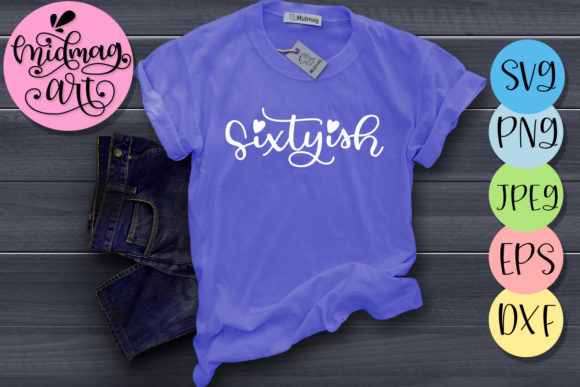
When you first open the 60th birthday embroidery file, you get a sense of a balanced, celebratory theme. It’s not overly whimsical or cartoonish, which is a good sign. The layout and shape feel designed for clarity—this isn’t a background filler; it’s meant to be a focal point. The visual personality leans toward classic celebration, which is exactly what you want for a milestone like this. It creates a mood of dignified joy, which is perfect for the kind of personalized gift or boutique product that honors someone’s life.
From my perspective as someone who stitches for clients, the detail level appears manageable. I’m not seeing overly intricate, tiny corners that would become a nightmare in satin stitch. This suggests it belongs naturally to projects where the design needs to be read and appreciated from a reasonable distance—on an embroidered sweatshirt, the front of a tote bag, or as a central motif on a pillow cover for a gift.
The Real-Life Embroidery Scenario: A Custom Embroidered Tote
Let’s walk through a real case. Imagine a client orders a custom tote bag for their mother’s 60th birthday. They want something elegant and durable, something she’ll use for years. You’re considering this 60th birthday design.
My first thought is about stitch density and fabric. A tote bag’s fabric is often a medium-weight canvas or cotton. The design’s composition, from what I can see in the preview, looks like it would translate well with a combination of fill stitches for solid areas and perhaps satin stitches for the numerals or key elements. The overall shape isn’t overly wide or tall, which means you could likely hoop it comfortably in a common mid-size hoop, avoiding the need for excessive repositioning.
How would it look after stitching? On a neutral fabric like linen or cream canvas, with a thoughtful thread color choice—perhaps a deep gold or a sophisticated navy—the finished product would feel valuable. It wouldn’t look like a cheap, slapped-on graphic. This matters immensely for customer trust and the perception of your handmade presentation. The recipient isn’t just getting a bag; they’re getting a crafted keepsake.
Where This Design Thrives and Where It Needs Care
This 60th birthday design feels versatile. I’d confidently use it on custom apparel like sweatshirts and polo shirts, on kitchen towels for a personalized home gift, or as an embroidered patch that could be applied to a blanket or apron. For small business merchandise, such as items for an Etsy shop specializing in milestone gifts, it provides a clean, professional design asset that can be consistently applied across products.
However, there are always situations where you need to proceed carefully. The potential pitfalls aren’t in the design’s theme, but in its application. Always test on scrap fabric first. This is my cardinal rule.
- Small hoop sizes: If you try to scale it down too much for a baby item or a cap’s curved surface, the clarity of any lettering or finer details could be lost. Check the design’s minimum readable size.
- Textured or stretchy fabrics: On a thick, textured sweater or a stretchy knit for baby clothes, you’ll need a robust stabilizer strategy. The design’s integrity depends on a stable base.
- Dark fabric: This is about thread color contrast. A design meant for celebration can look flat if the thread colors don’t pop against a dark background. Review it in black and white mockups to judge contrast, not just in full color.
- Products needing frequent washing: For items like tea towels or everyday caps, consider stitch density. Extremely dense fill areas on thin fabric can become stiff and uncomfortable after many washes. Balance is key.
How This Design Affects Your Craft Business
Using a design like this isn’t just about making one item. It’s about building a reputation. When a design stitches out cleanly with good stitching clarity, it elevates the product value. A customer receiving a perfectly embroidered holiday gift or wedding gift with this motif will associate your brand with quality. That drives buyer engagement and repeat business.
For digital product sellers, this file’s availability in multiple formats like SVG and EPS means you can create professional printable mockups for your listings, showing how the embroidery would look on various products. This builds confidence for buyers of your digital embroidery files. However, a crucial note: always confirm the licensing terms before selling finished items or commercial embroidery projects. The product description mentions use with various programs, but the specifics for commercial use are not detailed here. You must verify that.
Practical Notes Before You Hoop the Fabric
Here’s my mental checklist, the steps I take before committing to a real project:
- Run a test stitch on a scrap of the actual project fabric. Check for thread breaks, tension issues, and the true appearance of small details.
- Inspect the design in your software. Look for any potential trouble spots—very sharp corners or sections that might cause excessive jumps.
- Plan your thread colors not just for the design, but for the fabric background. Light fabric and dark fabric require different palettes.
- Consider the final product’s use. Is it a decorative pillow cover? Stitch density can be higher. Is it a lightweight baby onesie? You might want a lighter, more breathable stitch approach.
- For commercial embroidery projects, ensure your machine settings are calibrated for consistency across many items. This design’s appeal relies on uniformity.
The Final Stitch: A Design Built for Meaningful Projects
Ultimately, this 60th birthday embroidery design strikes me as a solid, practical choice for makers and entrepreneurs. It doesn’t try to do too much, which is often a strength. It provides a clear, celebratory motif that can be the heart of a meaningful handmade product. Its real value comes from how you apply it—with thoughtful fabric choice, precise execution, and an understanding of the recipient.
It’s well-suited for the craft fair product, the Etsy listing for a personalized gift, or the small shop merchandise that says, “This was made with care.” It’s not a design I’d use for tiny, hyper-detailed jewelry, but for the domains where embroidery shines—apparel, home decor, and personalized keepsakes—it feels like a trustworthy digital embroidery file. Your job as the designer is to bring it to life with the right stabilizer, the perfect thread, and the attention that turns a graphic into a cherished finished product.